


2026 Hyundai Tucson Hybrid: How It Saves You Money Every Mile with Fuel Economy, Tax Credits, and Long-Term Value
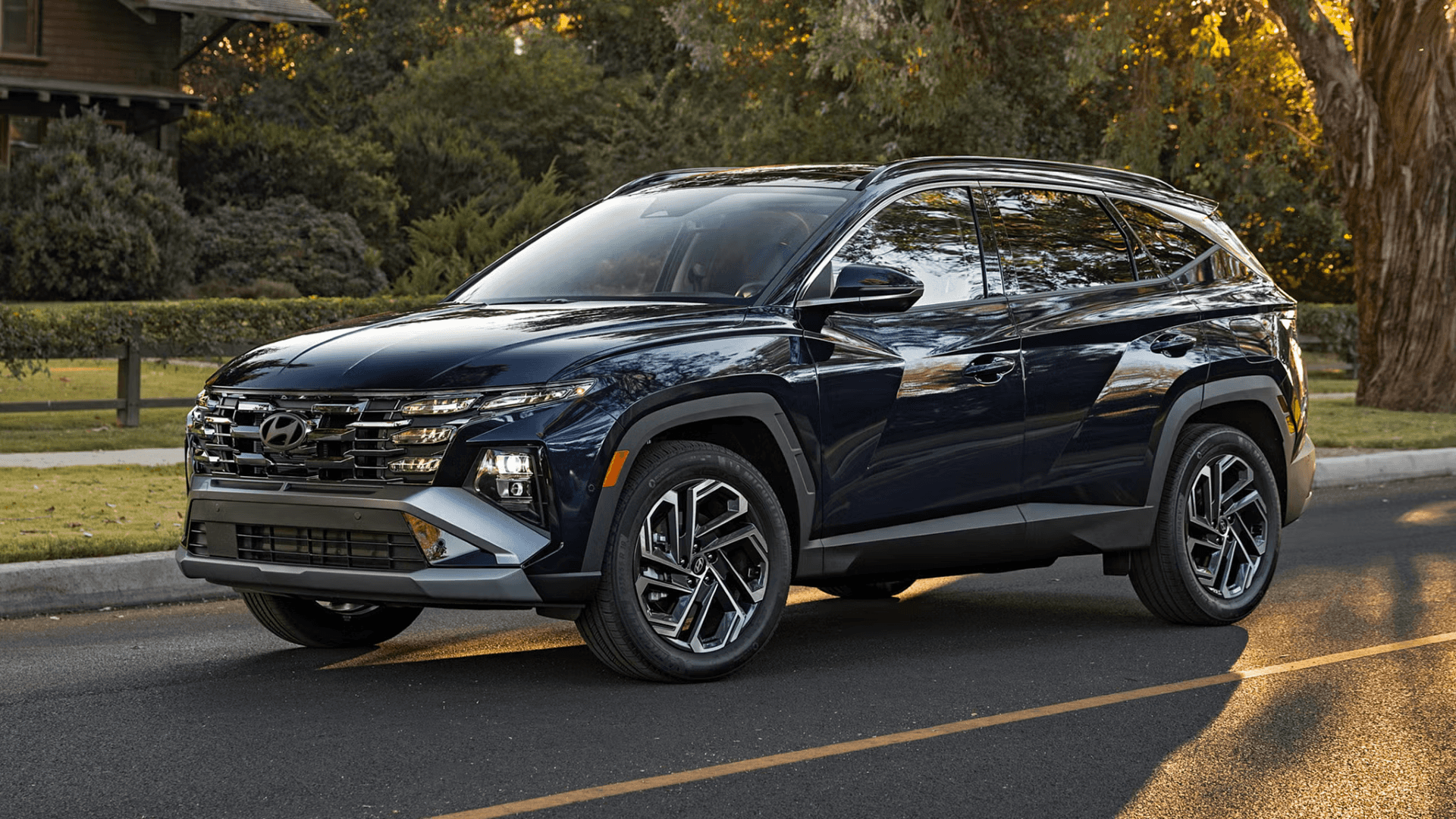
The 2026 Hyundai Tucson Hybrid combines a fuel-efficient powertrain, available incentives, and ownership protections to reduce your cost per mile and total cost of ownership. This guide explains how the Tucson Hybrid’s EPA-rated fuel economy, federal and local incentives, and Hyundai’s ownership programs work together to lower ongoing expenses for drivers. Many buyers focus only on sticker price, but understanding MPG, tax-credit eligibility, maintenance, and resale can reveal substantially lower five-year costs. This article walks through the Tucson Hybrid’s fuel-economy figures and realistic real-world expectations, details how credits and Indiana-area incentives apply, and quantifies long-term savings including warranty and service benefits. You’ll also learn which performance and safety technologies help avoid costs, how the Tucson stacks up against other hybrid crossovers on efficiency and ownership math, and why “Webb Hyundai in Northwest Indiana” can help you verify MPG, structure incentives, and support long-term ownership.
What Is the Fuel Economy of the 2026 Hyundai Tucson Hybrid?
The 2026 Hyundai Tucson Hybrid delivers competitive EPA fuel-economy ratings for a compact hybrid SUV by combining a gasoline engine with one or more electric motors to reduce fuel consumed per mile. This hybrid architecture enables frequent engine-off operation at low loads, regenerative braking to recapture energy, and optimized gear ratios that improve combined MPG. The result for drivers is fewer gallons burned over routine trips, translating directly to lower fuel spend per 10,000 miles. Below we present official EPA numbers alongside realistic real-world ranges and quick examples for converting MPG into fuel cost per mile, helping you estimate savings against conventional gasoline models. Understanding these figures also helps you set expectations for how driving habits and local conditions will alter real-world efficiency.
What Are the EPA and Real-World MPG Estimates for the Tucson Hybrid?
The EPA provides city, highway, and combined MPG estimates for hybrid models; those benchmarks indicate expected performance under standardized test cycles. Real-world drivers typically see variance due to climate, driving patterns, and load, so prepare for a modest adjustment from EPA to on-road figures. To translate MPG into fuel cost, divide 1 by MPG to get gallons per mile, then multiply by your local fuel price; this yields cost per mile. For example calculations and side-by-side numbers, consult the table below to compare EPA combined MPG vs realistic on-road ranges for the Tucson Hybrid and typical competitor ranges to set buyer expectations.
| Model | EPA Combined MPG | Typical Real-World Range |
|---|---|---|
| 2026 Tucson Hybrid | 38 MPG (EPA combined) | 34–40 MPG typical real-world |
| Other hybrid compact SUVs | 34–40 MPG (typical) | 30–38 MPG typical real-world |
| Conventional gas-only compact SUV | 25–30 MPG (typical) | 22–28 MPG typical real-world |
This table highlights that the Tucson Hybrid’s EPA combined rating positions it toward the efficient end of its class, and real-world drivers should expect slightly lower—but still meaningful—gains that compound across miles driven. Moving from EPA estimates to actual fuel costs requires simple arithmetic, which is the next practical step for buyers.
Which Factors Affect the Tucson Hybrid’s Fuel Economy?
Several controllable and uncontrollable variables change the Tucson Hybrid’s on-road MPG, and addressing the controllable ones yields immediate savings. Driving style is a primary influence: steady speeds, gentle acceleration, and use of eco modes produce higher mileage, while aggressive throttle input and high-speed cruising reduce efficiency. Environmental factors like cold winter temperatures in Northwest Indiana increase fuel consumption by reducing battery efficiency and increasing engine warm-up time. Vehicle condition and maintenance—tire pressure, alignment, cabin air filters, and scheduled service—also materially affect economy; hybrid-specific habits like maximizing regenerative braking and avoiding prolonged idling further improve results. Understanding these factors lets drivers adopt habits that close the gap between EPA estimates and achieved MPG, which leads naturally to the next section on how financial incentives can improve the purchase economics when combined with better-than-expected fuel savings.
After reviewing MPG numbers, drivers interested in verifying real-world economy locally may want to see inventory and try a test drive to measure on-road MPG themselves; Webb Hyundai in Northwest Indiana can help arrange local test drives and inventory viewings to validate real-world figures.
How Do Tax Credits and Incentives Maximize Your Savings on the Tucson Hybrid?
Federal, state, and local incentives can reduce the effective purchase price of the Tucson Hybrid or improve after-purchase cash flow, making per-mile ownership costs even lower. The primary federal mechanism is a clean vehicle tax credit that may apply to eligible hybrid models depending on sourcing, final assembly, and purchaser eligibility; state and municipal programs sometimes add rebates, registration incentives, or utility offers that further reduce net cost. Because rules and thresholds change, framing the incentives as checklists and steps helps buyers confirm eligibility, combine incentives where allowed, and capture the largest practical savings. Below are compact explanations of the federal credit, followed by a table of typical incentive types and eligibility guidance to clarify what buyers should verify before and during purchase.
What Federal Tax Credits Are Available for the 2026 Hyundai Tucson Hybrid?
The federal clean vehicle tax credit can provide a direct tax benefit when a purchased vehicle meets qualifying criteria; eligibility often hinges on vehicle assembly location, battery components, MSRP thresholds, and buyer income or tax liability limits. Buyers should treat the credit as a tax-year benefit—meaning eligibility requires reviewing the vehicle’s VIN and certification and confirming personal tax circumstances. Practical steps are: check the Tucson Hybrid’s current IRS eligibility listing, consult your tax professional about your ability to claim credits, and coordinate with the dealer’s finance center to gather required paperwork. Webb Hyundai’s finance team can assist buyers with preliminary eligibility checks and documentation guidance so buyers understand whether the federal credit will reduce their tax liability for the purchase year.
Total Cost of Ownership for Plug-in Hybrid Vehicles and Associated Incentives
Sales of plug-in electric vehicles (PEVs), encompassing both battery-only electric vehicles (BEVs) and plug-in hybrid electric vehicles (PHEVs), have demonstrated consistent growth in recent years, largely influenced by diverse incentive programs. While incentives are crucial, potentially indispensable during the initial market introduction phases, their long-term sustainability may be challenged as PEV sales approach mass-market penetration. Consequently, considerable interest and conjecture surround the timeline for PEVs to achieve cost competitiveness without incentive support. This research employs a bottom-up methodology to estimate the sale price and total cost of ownership (TCO) for new vehicles. A critical evaluation of various publicly accessible data sources concerning PEVs and conventional internal combustion-engine (CICE) vehicles is also undertaken. Given the inherent uncertainties regarding current, let alone future, cost data, a sensitivity analysis is performed. Within the diverse scenarios examined in the sensitivity analysis, a combination
On modeling the total cost of ownership of electric and plug-in hybrid vehicles, K Hamza, 2020
Which Indiana State and Local Incentives Can Tucson Hybrid Buyers Use?
State and local incentive programs for hybrids vary by jurisdiction and change over time, but typical offerings include reduced registration fees, state tax credits, or local utility rebates that support lower-emission vehicle adoption. Some utility programs provide incentives tied to vehicle charging equipment or broader electrification efforts; hybrids may or may not qualify depending on program definitions. Northwest Indiana buyers should consult state energy office resources and local municipal programs to check current availability and program rules. For hands-on assistance navigating these local options and coordinating paperwork with financing, buyers can work with Webb Hyundai’s team to identify applicable incentives and structure their purchase to capture available savings.
| Incentive Source | Typical Form | Eligibility Notes |
|---|---|---|
| Federal Clean Vehicle Credit | Tax credit reducing federal tax liability | Eligibility depends on vehicle certification, buyer tax situation, and IRS rules |
| State incentives (Indiana) | Rebates or fee reductions (varies) | Program availability changes; verify with state resources |
| Local/utility programs | Rebates, EV charger discounts | Applicability to hybrids varies by program; check local utility rules |
These incentive categories show how multiple layers can stack to lower net purchase cost; the next section shows how incentives combine with ownership protections like warranty and dealer service to reduce longer-term costs.
What Are the Long-Term Savings and Ownership Benefits of the Tucson Hybrid?
Long-term ownership savings for the Tucson Hybrid arise from three primary sources: lower fuel costs over time, reduced routine-service expense due to hybrid system characteristics (e.g., brake wear from regenerative braking), and ownership protections that limit unexpected repair bills. Quantifying these advantages across a 3–5 year horizon gives a clearer picture of true cost of ownership than sticker price alone. Hyundai’s ownership programs and dealer service networks play a role in controlling maintenance spend and preserving resale value, which together lower per-mile lifetime costs. Below we explain warranty impacts, offer a worked 5-year ownership snapshot, and outline maintenance expectations that typically differ from conventional gas-only SUVs.
How Does Hyundai’s America’s Best Warranty Reduce Ownership Costs?
Hyundai’s ownership package includes America’s Best Warranty, which provides extended coverage on powertrain elements and other components relative to many competitors; this coverage reduces the probability of large out-of-pocket repair bills during early ownership. Warranty protection means that certain major components—particularly powertrain and related hybrid components—are covered for a defined period or mileage threshold, shifting risk from owner to manufacturer and preserving repair budgets. Using authorized dealer service, such as certified maintenance at Webb Hyundai, also maintains warranty validity and can prevent small issues from escalating into expensive repairs. Keeping service with the dealer’s certified technicians supports predictable maintenance and contributes to improved resale appeal when service records are documented.
What Are the Projected Maintenance and Resale Value Advantages?
Over a typical 5-year ownership window, hybrids often show lower brake replacement frequency due to regenerative braking and may have similar or slightly higher scheduled service costs for hybrid-specific components, but warranty coverage frequently offsets those costs in early years. Resale value is influenced by market demand for efficient vehicles, warranty transferability, and documented dealer service history; hybrids with strong fuel economy and active warranty coverage can command better used prices relative to less efficient gas-only peers. The table below offers a simplified, conservative 5-year comparison framework for fuel, maintenance, and resale that helps illustrate total-cost dynamics for prospective buyers.
| Ownership Component | Attribute | 5-Year Estimate Example |
|---|---|---|
| Fuel | Gallons consumed at 12,000 miles/year | Tucson Hybrid: ~947 gallons (at 38 MPG) |
| Maintenance | Scheduled service and wear items | Tucson Hybrid: moderate; fewer brake replacements |
| Resale | Expected retained value | Higher retention if warranty transferrable and service documented |
This conservative projection demonstrates how fuel savings and warranty-backed repair protection combine to reduce net ownership cost; the next section connects those ownership advantages to technology and performance features that further protect owner wallets.
After reviewing warranty and maintenance benefits, owners seeking scheduled service, warranty clarification, or to enroll in dealer maintenance programs can schedule service appointments or consult Webb Hyundai’s service team for assistance and maintenance planning.
How Does the 2026 Tucson Hybrid’s Performance and Technology Enhance Value?
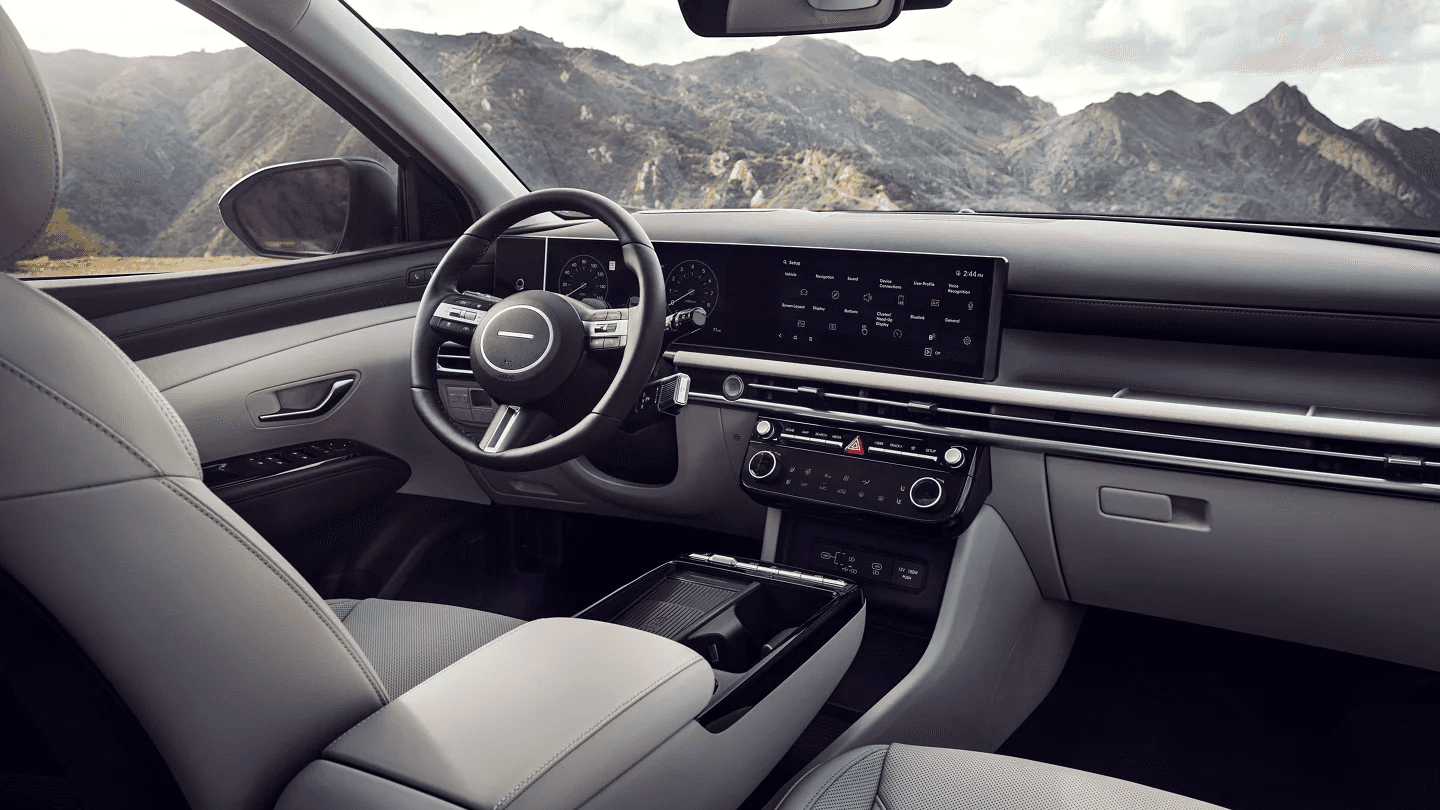
The Tucson Hybrid’s powertrain and safety/infotainment technologies contribute not just to driving enjoyment but to measurable cost avoidance and efficiency gains. Hybrid powertrain components—an internal combustion engine paired with electric motor(s) and a battery—work together to reduce fuel use, while regenerative braking and drive modes help drivers maximize efficiency by recovering energy and smoothing power delivery. Safety systems reduce collision risk, lowering potential repair and insurance costs over time, and interior technology that encourages efficient driving (adaptive cruise, real-time economy readouts) helps owners sustain better MPG. Below we dive into powertrain mechanics and list the tech features that translate directly into savings.
What Are the Key Features of the Tucson Hybrid’s Powertrain and Handling?
The Tucson Hybrid’s architecture typically combines a gasoline engine with one or more electric motors and a battery pack to share propulsion loads and recover braking energy, enabling the engine to operate more often in efficient zones. Regenerative braking converts kinetic energy into battery charge, reducing mechanical brake wear and returning energy that would otherwise be wasted. Drive modes—such as Eco or EV-assist—adjust throttle mapping and climate settings to favor efficiency, while available AWD configurations can affect fuel economy slightly; choosing the right drivetrain and maximizing eco features helps owners prioritize fuel savings. These elements work together to make hybrids electric than comparable gas-only systems in many daily driving scenarios.
Which Interior Technology and Safety Systems Save You Money?
Interior and safety technologies lower operating costs by promoting efficient driving and reducing incident-related expenses. Adaptive cruise control and lane-keeping assist help maintain steady highway speeds and reduce stop-start inefficiency, which often improves average MPG. Automatic emergency braking and other active safety systems decrease the likelihood and severity of collisions, cutting potential repair bills and insurance claims. Infotainment and driver information displays that show real-time fuel economy, range, and eco coaching empower drivers to modify behavior for better efficiency, creating an ongoing feedback loop that reduces fuel and maintenance expenses over time. Together, these systems deliver quantifiable cost-avoidance benefits that compound across miles driven.
Why Should Northwest Indiana Buyers Choose Webb Hyundai for the 2026 Tucson Hybrid?
Webb Hyundai serves Northwest Indiana buyers with locally relevant inventory, finance support, certified service, and programs that help capture incentives and sustain ownership value. The dealership offers new, used, and certified pre-owned Hyundai vehicles including the Tucson Hybrid, backed by certified service and parts and America’s Best Warranty, which together create predictable maintenance and repair frameworks. Webb Hyundai’s finance center can guide buyers through available lease and loan structures and assist with paperwork surrounding tax credits and local incentives, reducing friction in claiming benefits. For regional buyers, using a local dealer helps verify real-world MPG in local driving conditions, coordinate incentive eligibility checks, and maintain service history that supports higher resale value.
What Financing and Leasing Options Does Webb Hyundai Offer for the Tucson Hybrid?
Webb Hyundai provides a spectrum of financing and leasing pathways suited to different buyer priorities—monthly payment optimization, total-interest minimization, or short-term vehicle rotation via leasing. The dealer’s finance professionals can outline typical options such as traditional auto loans and leasing structures while helping buyers understand how incentives and tax credits affect monthly payments and down payments. Practical dealer assistance includes running preliminary eligibility checks for incentives, coordinating documentation that lenders may require, and using online finance tools or in-person consultations to tailor a plan. Prospective buyers are encouraged to consult Webb Hyundai’s finance team for personalized guidance to combine incentives and dealer offers effectively.
How Do Customer Testimonials Reflect Real Savings and Satisfaction?
Patterns in customer feedback emphasize areas that consistently reduce ownership friction and cost: improved real-world MPG compared with previous gas-only vehicles, helpful dealer assistance in preparing incentive paperwork, and reliable after-sale servicing that preserves warranty coverage and resale appeal. These testimonial themes show that buyers frequently value transparent finance guidance, local test drives to confirm MPG expectations, and a certified service network to keep maintenance predictable. Readers can review public business-profile feedback to see anonymized patterns and then contact Webb Hyundai to discuss specific savings scenarios or to schedule a test drive that demonstrates the Tucson Hybrid’s efficiency firsthand.
How Does the 2026 Tucson Hybrid Compare to Other Hybrid SUVs in Fuel Economy and Cost Savings?
Comparing the Tucson Hybrid to other hybrid SUVs focuses on the most impactful ownership metrics: real-world MPG, typical price-to-feature balance, warranty coverage, and dealer support for incentives and service. While competing models may offer similar EPA numbers, differences in warranty terms, dealer service availability, and feature sets influence long-term economics. A neutral comparison framework helps buyers weigh up-front costs against projected five-year ownership outcomes to make choices that minimize total cost per mile. Below is an at-a-glance comparison to help frame that decision with emphasis on efficiency, ownership protections, and practical dealer-level advantages.
How Does the Tucson Hybrid’s MPG and Price Compare to the Toyota RAV4, Honda CR-V, and Kia Sportage Hybrids?
When comparing fuel economy and typical pricing bands, the Tucson Hybrid’s EPA combined MPG sits competitively within the compact hybrid crossover segment while warranty and dealer service packages can tilt total-cost outcomes in its favor. Buyers should compare EPA combined MPG alongside realistic on-road ranges and then layer in expected purchase price and available incentives to estimate payback periods for fuel savings. Because MSRP and incentive availability change, treat price bands as a planning input rather than a fixed number; the most reliable approach is a side-by-side test drive and quote comparison that includes dealer assistance on incentives and financing. The comparative snapshot here helps buyers identify which models likely yield the best five-year cost outcomes before arranging in-person evaluations.
Key comparative considerations include:
- EPA combined MPG and real-world adjustments.
- Warranty coverage length and scope.
- Dealer service accessibility and incentives support.
What Unique Savings Does the Tucson Hybrid Offer Over Its Competitors?
The Tucson Hybrid’s combination of competitive fuel economy, Hyundai’s ownership protections, and accessible dealer service can create unique savings opportunities that extend beyond raw MPG. Warranty coverage mitigates major repair risk in early ownership years, regenerative braking lowers routine wear costs, and dealer-level assistance with incentives and financing reduces buyer friction and paperwork mistakes that can delay or forfeit savings. Local buyers benefit when a nearby dealer coordinates incentive claims and documents service history, which preserves resale value and reinforces lower total cost of ownership. For buyers prioritizing efficient daily driving and predictable long-term costs, the Tucson Hybrid paired with committed dealer support provides a balanced path to minimizing cost per mile.
Primary Tucson-specific savings drivers:
- Competitive combined MPG that reduces fuel spend.
- Warranty protections that limit unexpected large repairs.
- Dealer service and incentive coordination that preserve resale value and capture available credits.
0 comment(s) so far on 2026 Hyundai Tucson Hybrid: How It Saves You Money Every Mile with Fuel Economy, Tax Credits, and Long-Term Value