


Fall & Winter Prep Checklist for Your Hyundai: A Highland, IN Driver’s Guide
Fall & Winter Prep Checklist for Your Hyundai: A Highland, IN Driver’s Guide
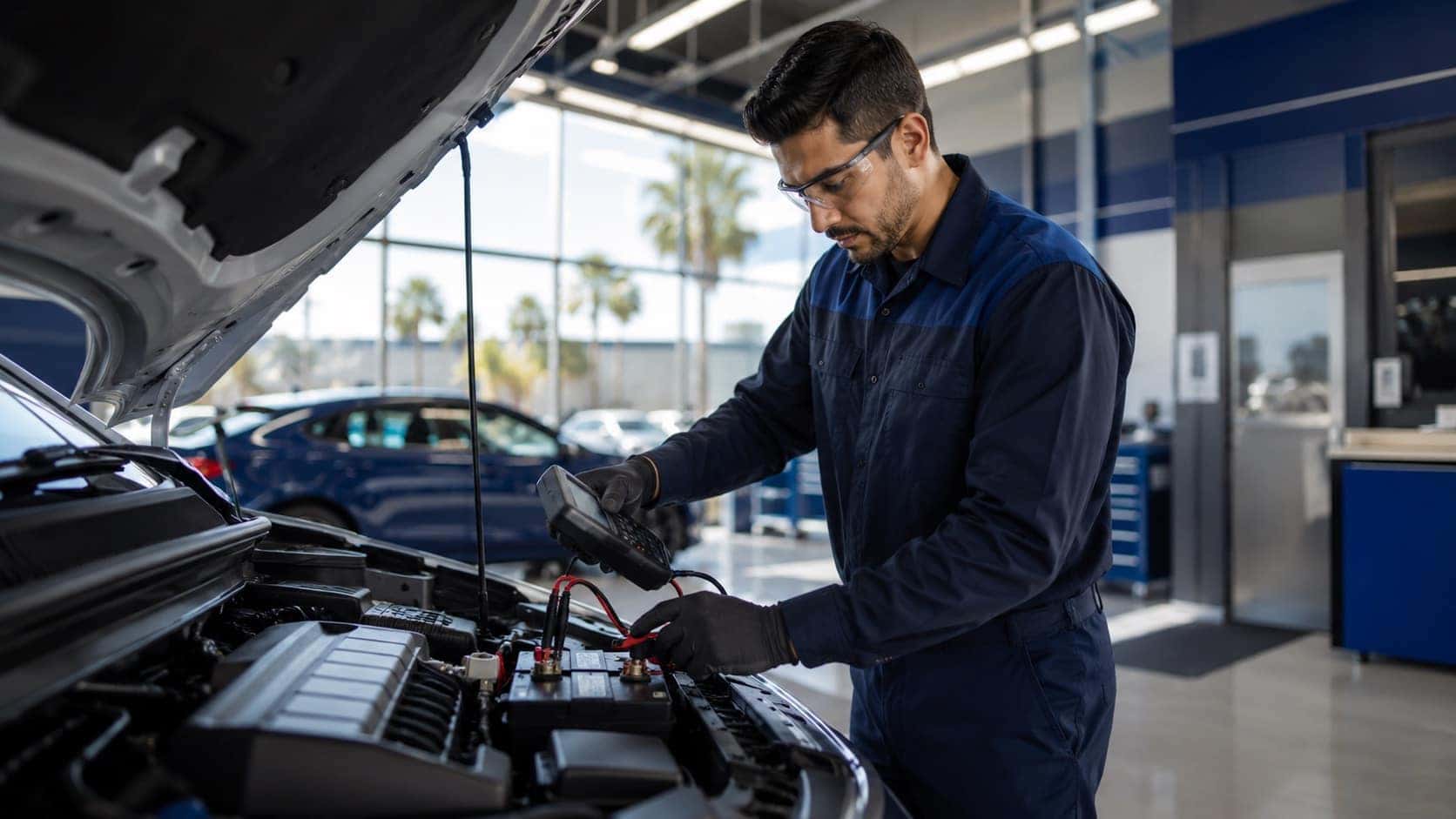
Northwest Indiana’s lake-effect winters ask a lot of a vehicle, and the weeks before the first hard freeze are the easiest time to get ahead of it. A short fall check on your Hyundai’s battery, tires, fluids, and heating system now can save you a cold-morning breakdown later this season. Here’s what Webb Hyundai Highland recommends checking before winter sets in.
Why Does Fall Prep Matter for a Hyundai in Highland?
Cold weather is the leading cause of dead batteries, and salted Highland roads accelerate wear on brakes and undercarriage components once winter arrives. A fall check catches issues while they’re still simple and inexpensive to fix.
How Do You Know Your Battery Will Survive Winter?
Batteries lose capacity as temperatures drop, so one that’s marginal in September can fail outright during a January cold snap. A quick load test at Webb Hyundai Highland tells you whether your battery has enough reserve capacity for the season ahead.
Should You Check Tires Before Winter?
Cold air causes tire pressure to drop, so checking pressure and tread depth now avoids a surprise low-pressure warning on the first cold morning. All-season tires handle light snow reasonably well, but tread depth matters more once roads turn icy.
| Fall Checklist Item | Why It Matters |
|---|---|
| Battery load test | Cold weather is the top cause of dead batteries |
| Tire pressure & tread | Cold air drops pressure; tread affects winter traction |
| Coolant & washer fluid | Both need winter-ready concentration |
| Heater & defroster | Needed to clear a foggy or icy windshield safely |
| Wiper blades | Summer heat wears blades before fall’s sleet arrives |
Which Fluids Need Attention Before Cold Weather?
Coolant needs the correct antifreeze concentration to resist freezing, and washer fluid should be switched to a winter-rated formula that won’t freeze on contact with a cold windshield. If you’re not already on a year-round synthetic, ask about the right oil viscosity for cold starts.
What Should You Check in Your Heating System?
A cabin heater or defroster that’s slow to warm up isn’t just uncomfortable — it’s a visibility issue when you need it to clear an icy windshield quickly. If heat output feels weak, it’s worth having the cooling system checked before temperatures drop further.
Do Wiper Blades Need Replacing Every Fall?
Wiper blades degrade from summer UV exposure and heat, so many are already worn by the time fall’s sleet and freezing rain arrive. Streaking, skipping, or squeaking are all signs it’s time for new blades.
Does Fall Prep Look Different for a Hybrid Hyundai?
Hybrid Hyundai models still need battery, tire, and fluid checks like any gas model, but the 12-volt accessory battery and high-voltage battery coolant system are worth asking about specifically. Regenerative braking means brake pads often last longer, but a visual check is still worthwhile before winter.
Why Do Lights Matter More in Fall and Winter?
Shorter daylight hours mean more of your commute happens in low light, so dim or cloudy headlights become a real visibility issue. Checking headlights, taillights, and turn signals takes just a few minutes.
What Belongs in a Winter Emergency Kit?
A basic kit — ice scraper, jumper cables, a blanket, flashlight, and phone charger — can make a real difference if you’re ever stuck waiting for help on a cold day.
How Do You Schedule Fall Service at Webb Hyundai Highland?
Booking online is the fastest way to reserve a time before the fall rush, and you can note any concerns so the team is ready when you arrive.
How to Run a Quick Fall Check at Home
- Check tire pressure and tread depth on all four tires.
- Test your heater and defroster for how quickly they warm up.
- Look at wiper blades for cracking, streaking, or skipping.
- Check washer fluid and top off with a winter-rated formula.
- Book a professional check for battery, brakes, and coolant before the first hard freeze.
Key Takeaways
- Cold weather is the leading cause of dead batteries — a fall load test catches a weak one early.
- Tire pressure drops as temperatures fall, so check it more often once the weather turns.
- Coolant and washer fluid both need winter-ready formulations before the first freeze.
- Hybrid Hyundai models still need fall prep, with extra attention to the 12-volt battery.
- Wiper blades worn by summer heat often need replacing before fall’s sleet and freezing rain.
- A basic winter emergency kit is inexpensive insurance against a cold-weather breakdown.
Frequently Asked Questions
When should I get my Hyundai ready for winter?
Early-to-mid fall is ideal, before temperatures consistently drop below freezing, giving time to address anything a battery or brake check turns up.
How do I know if my Hyundai’s battery will make it through winter?
A load test at Webb Hyundai Highland measures remaining battery capacity and can flag a battery likely to fail once cold weather sets in.
Does a hybrid Hyundai need different fall service?
Hybrid models need the same tire, fluid, and battery checks as gas models, with extra attention to the 12-volt accessory battery and high-voltage coolant system.
What should be in a winter emergency kit?
A basic kit includes an ice scraper, jumper cables, a blanket, a flashlight, and a phone charger.
Can I schedule fall service online at Webb Hyundai Highland?
Yes — the online scheduler lets you pick a date, time, and note any concerns before you arrive.
Ready to get your Hyundai winter-ready?
0 comment(s) so far on Fall & Winter Prep Checklist for Your Hyundai: A Highland, IN Driver’s Guide