


Hyundai Wiper Blade Replacement and Visibility Service for Highland, IN Drivers
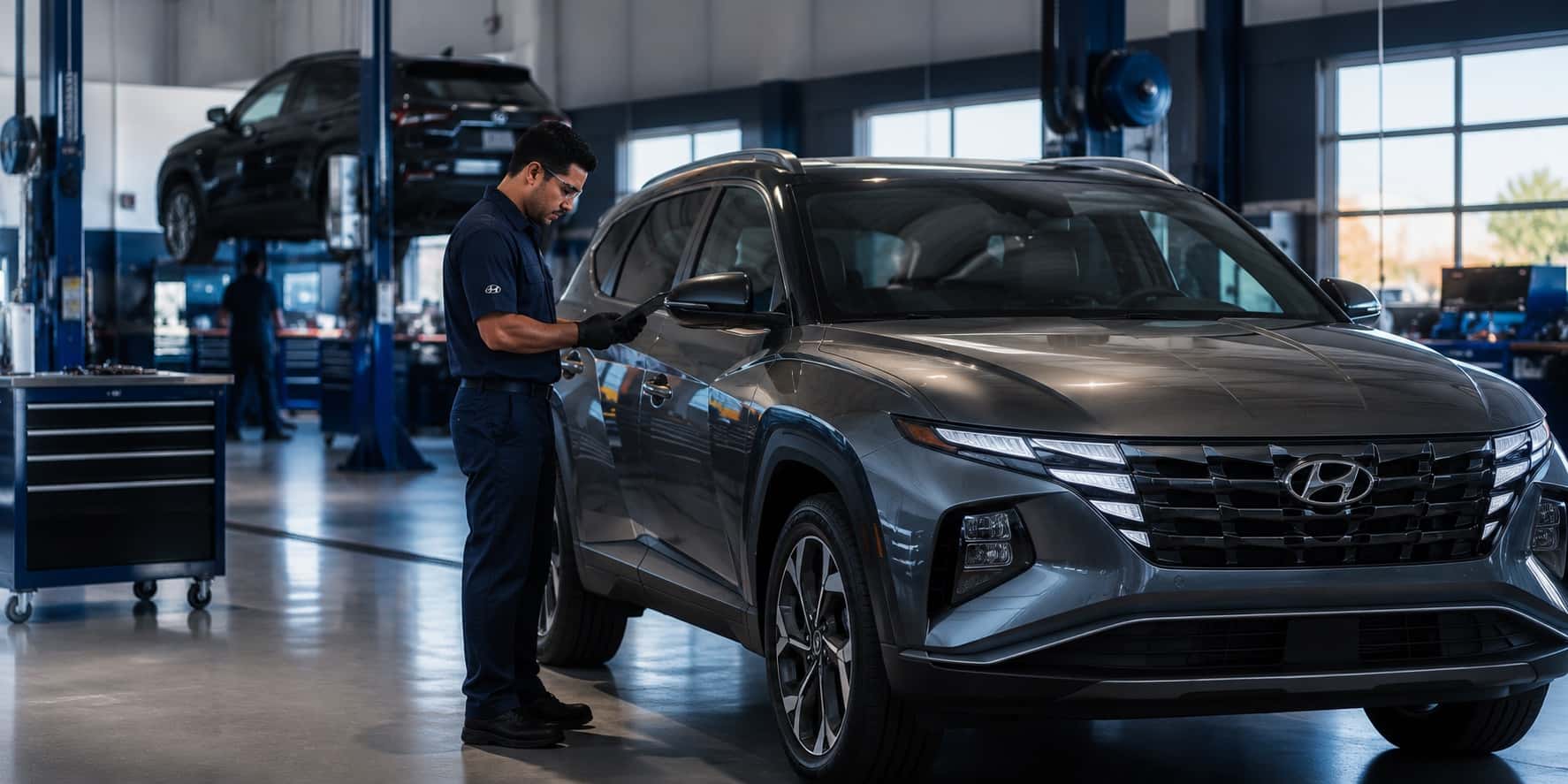
Wiper blades are the one safety component most drivers only think about in the middle of a downpour — usually at the worst possible moment, on the Borman with spray coming off a semi. In Northwest Indiana, blades take a beating year-round: summer heat bakes the rubber, road salt and freezing rain shred the edge, and by the time autumn storms roll in, a set that “seemed fine” is smearing instead of clearing. Replacing them is one of the fastest, least expensive service items on your Hyundai, and it has an outsized effect on how safely you drive at night and in bad weather. This guide walks Highland, IN drivers through how to tell when your blades are done, what makes Hyundai-spec blades different, and what a visibility service visit at Webb Hyundai Highland actually covers.
How Often Should You Replace Your Hyundai’s Wiper Blades?
Most wiper blades should be replaced roughly every six to twelve months, and in a climate like Northwest Indiana’s, the shorter end of that range is usually more realistic. Rubber degrades from exposure to sunlight, ozone, temperature swings, and road grime whether you use the wipers or not, so age matters as much as mileage. Recommended intervals can vary by model year and by the specific blade your Hyundai uses, so it is worth confirming against your owner’s manual or asking a service advisor at Webb Hyundai Highland.
- Twice a year is a practical rhythm for most Highland drivers — once heading into winter and once heading into spring.
- Vehicles parked outdoors year-round typically need blades more often than garage-kept vehicles.
- A blade can look intact and still be finished; the wiping edge fails long before the rubber visibly falls apart.
- If you cannot remember the last time they were changed, they are almost certainly due.
What Are the Warning Signs That Your Wiper Blades Need Replacing?
The clearest signs are streaking, skipping, chattering, and any area of the windshield the blade no longer touches. If you have to run the wipers on a higher speed than usual to get a clear view, or if you find yourself squinting through a hazy band at eye level, the blades have lost their edge. Do not wait for a storm to confirm it — test them deliberately with washer fluid on a dry day.
- Streaking: thin lines of water left behind on every pass, usually from a nicked or hardened edge.
- Smearing: a greasy haze that gets worse with oncoming headlights — often the single most dangerous symptom at night.
- Chattering or juddering: the blade skips across the glass instead of gliding, which usually means the rubber has taken a set or the arm tension is off.
- Split or lifted rubber: visible cracking, a wiping edge peeling away from the frame, or exposed metal.
- Missed patches: areas the blade arcs over without making contact, common once a frame is bent.
Why Do Wiper Blades Wear Out Faster in Northwest Indiana?
Northwest Indiana puts wiper blades through a punishing annual cycle: lake-effect snow and freezing rain in winter, road salt and sand slurry through early spring, then intense summer sun that dries and hardens the rubber. Each of those stresses attacks the blade in a different way, and the combination is harder on a set of wipers than any one climate would be on its own. Drivers who commute along I-94, I-65, or Indianapolis Boulevard also pick up more road film and grit, which acts like sandpaper on the wiping edge.
- Road salt is abrasive and corrosive, degrading both the rubber and the blade frame.
- Freeze-thaw cycles cause blades to bond to the glass overnight; tearing them free the next morning is a common cause of split rubber.
- Scraping ice with the wipers — or running them while frozen down — bends frames and strips the edge.
- Summer UV exposure hardens rubber so it can no longer conform to the curve of the windshield.
What Makes Hyundai-Spec Wiper Blades Different From Generic Blades?
Hyundai-spec blades are sized and shaped to match the exact curvature, sweep pattern, and arm attachment of your specific vehicle, which is what allows them to maintain even pressure across the full length of the glass. Generic blades are often close enough to install but not close enough to seal properly, which is a frequent cause of that stubborn unwiped strip near the A-pillar. Blade length and connector type can differ between trims and model years even within the same nameplate, so matching to your VIN is the reliable way to get it right.
- Correct length for both the driver and passenger side — many Hyundai models use two different lengths.
- The correct connector or attachment style for your wiper arm.
- Spring tension and frame geometry matched to your windshield’s curve.
- Fitment verified against your VIN rather than a parts-store lookup table.
Does Your Rear Wiper Need Service Too?
If your Hyundai is a hatchback or SUV with a rear wiper, it absolutely needs the same attention — and it is the single most commonly neglected blade on the vehicle. Rear wipers see less use, which means the rubber often sits in one position and takes a permanent set, then tears the first time it is used hard. Rear blade availability and design vary by model and model year, so have it checked rather than assuming it matches the front.
What Else Is Part of a Complete Visibility Service?
A proper visibility service goes beyond swapping blades and looks at the entire system that keeps your glass clear: washer fluid and its freeze rating, the washer nozzles and pump, the condition of the glass itself, and your exterior lighting. Blades can only do their job if the fluid is reaching the windshield and the glass is not already pitted or filmed over. Bundling these into one visit is far more effective than replacing blades in isolation.
- Washer fluid top-off with a winter-rated formula before the first hard freeze.
- Nozzle aim and flow check — clogged or misaimed jets are common and easy to correct.
- Glass inspection for pitting, chips, and bonded road film that blades cannot clear.
- Cowl and wiper arm check for debris, corrosion, and correct arm tension.
- Exterior lighting check, since visibility in bad weather depends on being seen as much as seeing.
Why Do Brand-New Wiper Blades Sometimes Still Streak?
When new blades streak, the problem is almost always the windshield rather than the blade. A layer of bonded road film, wax, or oily residue prevents the fresh rubber from making clean contact, and the blade simply redistributes the grime instead of clearing it. A thorough glass cleaning — not just a pass with washer fluid — resolves most of these cases immediately.
- Bonded road film or tree sap that ordinary washer fluid will not lift.
- Wax or sealant overspray from a recent wash, which repels water unevenly.
- A bent or weak wiper arm applying uneven pressure across the sweep.
- Protective packaging left on the blade edge during a rushed self-install.
Should Highland Drivers Switch to Winter Wiper Blades?
Winter or “beam-style” blades are worth considering for Highland drivers because they are designed to resist ice buildup in the frame, which is the main failure point of conventional bracket blades in lake-effect conditions. Conventional blades have exposed hinges and joints where slush collects and freezes, locking the blade into a rigid bar that cannot follow the windshield’s curve. Availability and recommended options vary by model, so ask a service advisor which styles fit your vehicle.
Should You Replace Wiper Blades Yourself or Have a Technician Do It?
Replacing blades is a genuinely simple job on most vehicles, but having it done during a service visit gets you correct fitment, a check of the arm and linkage, and a chance to catch related issues you would not think to look for. The most common self-install problems are buying the wrong length, failing to fully seat the connector, and accidentally letting a bare wiper arm snap down onto the glass — which can crack a windshield. If you are already in for an oil change or a seasonal inspection, folding blades into that visit costs you no extra time.
What Happens During a Visibility Service Appointment?
A visibility service appointment at Webb Hyundai Highland is short and focused: a technician verifies the correct blade specification for your VIN, inspects the arms and linkage, installs and tests the new blades with washer fluid, and checks the rest of the visibility system. Most visits are quick enough to wait for. Bringing up any specific symptoms you have noticed — night smearing, a chatter at certain speeds, a spot that never clears — helps the technician confirm whether blades alone are the fix.
Quick Overview: Wiper and Visibility Service at a Glance
| Item | Typical Timing | What to Watch For |
|---|---|---|
| Front wiper blades | Every 6–12 months | Streaking, smearing, chatter |
| Rear wiper blade | Every 6–12 months | Cracked or set rubber |
| Washer fluid | Before first freeze | Summer fluid freezing in the lines |
| Washer nozzles | At each service visit | Weak spray, poor aim |
| Windshield glass | Seasonally | Pitting, chips, bonded film |
How to Schedule Wiper Blade Service at Webb Hyundai Highland
- Test your wipers deliberately — spray washer fluid on a dry day and watch for streaks, skips, or missed areas.
- Note the specific symptom so you can describe it: night smearing, chatter, a strip that never clears.
- Check your rear wiper too if your Hyundai has one.
- Book online through the Webb Hyundai Highland service scheduler, or call the service team at (219) 513-9726.
- Ask to bundle it with an oil change or seasonal inspection so it is handled in one visit.
- Confirm fitment by VIN at write-up so the correct blade lengths and connectors are used.
- Verify before you leave — run the wipers with fluid and check the full sweep for clean contact.
Key Takeaways
- Plan on replacing wiper blades every six to twelve months; Northwest Indiana conditions push most drivers toward the shorter interval.
- Streaking, smearing, chattering, and missed patches all mean the blade is finished, regardless of how it looks.
- Road salt, freeze-thaw cycles, and summer UV are the main reasons blades fail early in Highland.
- Hyundai-spec blades are matched to your windshield’s curve and your wiper arm’s attachment — fitment varies by model year.
- Rear wipers on hatchbacks and SUVs need the same attention and are the most commonly forgotten.
- A complete visibility service also covers washer fluid, nozzles, glass condition, and exterior lighting.
- If new blades still streak, the windshield almost always needs a deep cleaning rather than another set of blades.
Frequently Asked Questions
How do I know what size wiper blades my Hyundai needs?
Blade lengths are listed in your owner’s manual and frequently differ between the driver and passenger sides. Because sizes and connector types can vary by model year and trim, the most reliable method is to have the parts or service team at Webb Hyundai Highland look up your VIN and confirm the exact specification.
Can I use my wipers to clear ice off the windshield?
No — this is one of the fastest ways to ruin a set of blades and it can damage the wiper motor and linkage as well. Use the defroster and an ice scraper to clear the glass first, and make sure the blades are free of the windshield before switching them on.
Why do my wipers chatter across the windshield?
Chattering usually means the rubber has hardened and taken a set, so it drags rather than flipping cleanly at each direction change. It can also indicate a bent wiper arm applying uneven pressure, or a windshield coated in residue. A technician can tell the difference quickly during an inspection.
Should I top off washer fluid before winter in Highland?
Yes. Summer-rated washer fluid can freeze in the reservoir, lines, and nozzles once temperatures drop, which leaves you with no way to clear road salt film. Switching to a winter-rated fluid before the first hard freeze is a simple, inexpensive step that makes a real difference on salted roads.
How long does wiper blade replacement take at the dealership?
Blade replacement itself is typically a short appointment that most customers wait for. Actual timing depends on the day’s schedule and whether you are combining it with other maintenance, so it is best to confirm when you book with the Webb Hyundai Highland service team.
Clear glass is the cheapest safety upgrade on your Hyundai. Let’s get your visibility sorted before the next storm.
0 comment(s) so far on Hyundai Wiper Blade Replacement and Visibility Service for Highland, IN Drivers