


Why Webb Hyundai’s Warranty Still Beats the Competition in 2026: Comprehensive Coverage and Customer Confidence
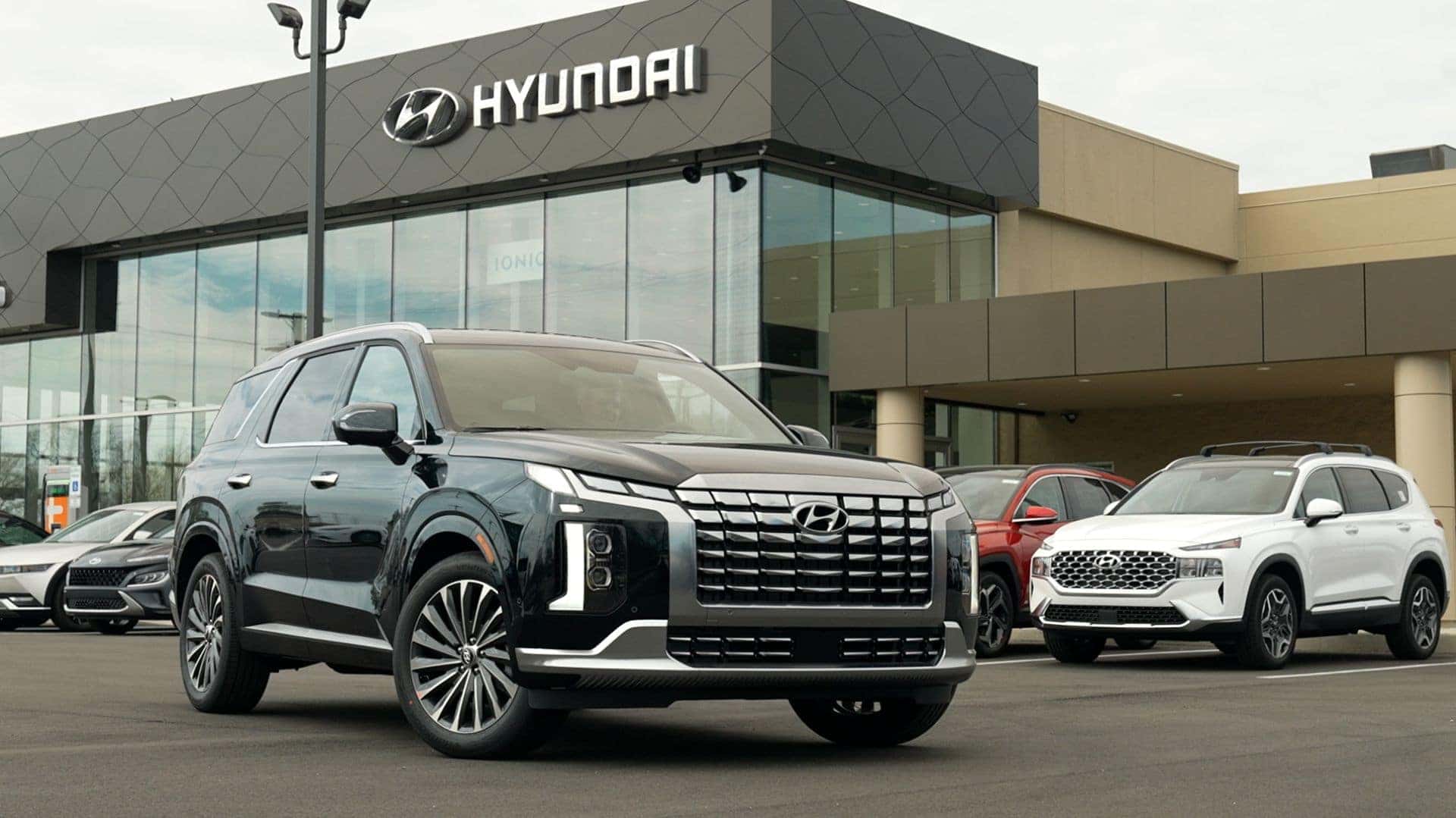
Hyundai’s factory-backed warranties for 2026 combine unusually long powertrain protection with broad limited-warranty coverage and EV-specific battery assurances, which together lower long-term ownership cost and increase buyer confidence. This article explains those warranty components, how they operate in practical claim scenarios, and why understanding the fine print matters when comparing providers. Many buyers in Highland, Indiana and beyond underestimate how warranty scope, transferability, and authorized-service processes affect resale value and repair outcomes; this guide addresses these exact concerns and shows how to evaluate warranty strength. Readers will get a clear breakdown of each factory warranty term, a look at certified pre-owned protections and transfer rules, a head-to-head view of local competitive offerings, and a practical review of extended protection options and dealership service processes. Throughout, you will find direct comparisons, tables for quick scanning, and step-by-step guidance for preserving coverage through proper maintenance and authorized repairs. By the end, you’ll be able to judge warranty value objectively and decide when factory coverage, a Certified Pre-Owned purchase, or a Hyundai Protection Plan makes the most sense for your situation.
What Are the Key Features of Hyundai’s 2026 New Vehicle Warranty?
Hyundai’s 2026 new-vehicle warranty package bundles multiple overlapping protections: a long-term powertrain warranty, a limited bumper-to-bumper warranty, anti-perforation corrosion coverage, roadside assistance, and specific EV/hybrid battery protections. These components work together by assigning different systems to different warranty terms so owners know which failures are covered, how long coverage remains, and what maintenance keeps claims valid. Understanding these pieces reduces surprise repair bills and clarifies expectations for original owners and subsequent buyers. Below is a compact breakdown to make quick comparison and snippet capture straightforward, followed by details and common exclusions that owners should watch for. For more information, visit new vehicles.
This compact table summarizes the primary factory warranty durations for quick reference.
| Warranty Component | Coverage Focus | Duration (2026 Hyundai) |
|---|---|---|
| Powertrain Limited Warranty | Engine, transmission, drivetrain | 10 years / 100,000 miles |
| New Vehicle Limited Warranty | Bumper-to-bumper systems (except wear items) | 5 years / 60,000 miles |
| Anti-Perforation Warranty | Corrosion through body panels | 7 years / unlimited miles |
| Roadside Assistance | Towing, lockout, flat assistance | 5 years / 60,000 miles |
| EV/Hybrid Battery Warranty | High-voltage battery pack and related defects | 10 years / 100,000 miles (EV battery) |
This table highlights how Hyundai segments responsibility by component so owners can quickly see which systems enjoy long-term powertrain protection and which are limited to shorter coverage. Recognizing this segmentation directs owners to prioritize authorized dealer service and proper maintenance to retain eligibility.
How Does the 10-Year/100,000-Mile Powertrain Warranty Protect Original Owners?
The 10-year/100,000-mile powertrain warranty specifically covers the major drive components — primarily the engine, transmission, and associated drivetrain parts — against defects in materials or workmanship for the original owner over the stated term. Coverage means Hyundai will repair or replace covered powertrain components when failure results from a qualifying defect, reducing the owner’s out-of-pocket exposure for high-cost repairs. Common claim examples include internal transmission failures or catastrophic engine component defects; routine wear items and damage from improper maintenance generally remain excluded. For owners, the key operational requirement is documented, timely maintenance and repairs by authorized technicians, which preserve eligibility and streamline claim approval.
This protection is especially valuable for higher-mileage owners and those keeping a vehicle long-term because it transfers predictable financial risk away from the owner and toward the manufacturer; understanding transfer limitations follows in the next section.
What Does the 5-Year/60,000-Mile New Vehicle Limited Warranty Cover?
The 5-year/60,000-mile New Vehicle Limited Warranty functions as a comprehensive bumper-to-bumper policy for most vehicle systems that are not specifically excluded, protecting electrical systems, major mechanical components, and factory-installed accessories. Typical exclusions include normal wear-and-tear items (brakes, wiper blades, clutch facings), damage from accidents or misuse, and failures caused by lack of maintenance; owners must follow scheduled maintenance to avoid denials. This limited warranty overlaps with the powertrain warranty but for different components and shorter duration, so many repairs will route under the bumper-to-bumper term early in ownership and under the powertrain warranty later for major drivetrain issues. Maintaining service records and using genuine parts at authorized service centers helps ensure a smooth claims process and preserves resale value.
Keeping complete maintenance records and choosing authorized service providers establishes eligibility for warranty coverage and makes transfers clearer for future buyers.
How Does Webb Hyundai’s Certified Pre-Owned Warranty Enhance Buyer Assurance?
Hyundai’s Certified Pre-Owned (CPO) program adds buyer protections by combining a multi-point inspection, reconditioning standards, and specific CPO warranty terms that extend assurance beyond typical used-car purchases. The program guarantees that vehicles meet defined eligibility metrics and have been inspected and repaired to manufacturer standards, which reduces the risk of hidden defects at purchase. CPO vehicles typically retain remaining factory coverage and include an additional 1-year/12,000-mile limited warranty beyond the original factory coverage, giving second owners a clearer expectation of protected systems. Below are the primary benefits and an eligibility checklist to help shoppers evaluate CPO offers.
- Certified Inspection and Repair: Each vehicle undergoes a factory-standard 150+ point inspection and required reconditioning, which minimizes unreported mechanical or safety issues.
- Remaining Factory Coverage: CPO vehicles carry over the remainder of original factory warranties, reducing immediate exposure to major repairs.
- CPO-Specific Protections: Additional CPO terms include a 1-year/12,000-mile limited warranty and roadside assistance to cover owners beyond the used-car baseline.
These features make CPO purchases a middle ground between new-vehicle assurance and the lower price of used inventory, and understanding transfer mechanics is the next critical step.
For buyers who want local support after purchase, Webb Hyundai facilitates CPO sales, financing options, service appointments, and parts availability while working to build customer loyalty and become the preferred Hyundai dealership in the region. This operational support helps bridge the gap between factory protections and everyday ownership needs.
What Are the Benefits and Eligibility Criteria of Hyundai’s CPO Program?
Eligible CPO vehicles must be less than 6 years old, have fewer than 60,000 miles, and pass a factory-standard inspection covering mechanical, electrical, and cosmetic systems; failing items are repaired with genuine parts before certification. The benefit list typically includes continued coverage under remaining factory warranties, an additional 1-year/12,000-mile limited warranty, and roadside assistance to reduce short-term ownership risk. Buyers also gain the value of documented service and reconditioning history, which supports resale value and reduces negotiation uncertainty. When evaluating a CPO offer, buyers should confirm inspection scope, what reconditioning was performed, and which genuine parts were installed to address prior defects.
Knowing the checklist of eligibility items and verification steps makes it easier to compare CPO offers and to anticipate the remaining factory-backed protections that transfer with the vehicle.
How Is Warranty Transferability Handled for CPO Vehicles in 2026?
Warranty transferability for CPO vehicles depends on the original factory warranty’s terms and the vehicle’s in-service date; many factory warranties are tied to the original owner but the remaining term often applies to subsequent owners for coverage like the powertrain warranty. Calculation of remaining coverage uses the original in-service date and accumulated mileage, so second owners receive only the unused portion of the original warranties. The additional CPO warranty coverage (1 year/12,000 miles) is transferable to subsequent owners within its term. Buyers should confirm which protections extend beyond the initial sale and whether any administrative steps are required to register the transfer. Practical tips include obtaining a complete vehicle history, verifying the in-service date, and requesting written confirmation of remaining warranty durations before purchase.
Clear transfer rules and proof of remaining coverage reduce buyer uncertainty and make certified pre-owned vehicles easier to evaluate against new and used alternatives.
In What Ways Does Webb Hyundai’s Warranty Outperform Local Competitors Like Thomas Kia?
Hyundai’s factory warranty program stands out regionally by offering an established 10-year/100,000-mile powertrain term combined with competitive limited-warranty and EV battery protections, which together often match or exceed local dealer-level lifetime offers when accounting for exclusions and transferability. While some local dealers advertise “lifetime” or extended powertrain plans, the factory program’s national backing, standardized claim procedures, and clear original-owner rules provide predictable outcomes and broad service network support. Service quality, parts availability, and authorized-repair workflows further influence real-world warranty value, and dealerships that prioritize genuine parts and certified technicians produce better claim success and fewer repeat repairs. The table below gives a concise EAV-style comparison to help buyers parse fine-print differences.
| Coverage Element | Hyundai (Factory) | Local Competitor (lifetime program) |
|---|---|---|
| Powertrain Duration | 10 years / 100,000 miles | Often advertised as “lifetime” with variable terms and mileage limits |
| Transferability | Remaining coverage generally applies to subsequent owners per terms | Varies; may be non-transferable or require conditions |
| Exclusions & Fine Print | Standardized exclusions (maintenance-related, misuse) | May include more restrictive exclusions or service requirements |
| Claims Administration | National manufacturer process via authorized dealers | Dealer-managed claims; may have regional limits |
How Does Webb Hyundai Highland’s Warranty Compare to Thomas Kia’s Lifetime Powertrain Warranty?
A headline “lifetime” powertrain claim from a local dealer often sounds compelling, but such plans usually contain eligibility, maintenance, and transfer conditions that constrain applicability and limit national enforcement. Hyundai’s factory powertrain warranty, by contrast, spells out duration and covered components and routes claims through an established national process at authorized dealers, producing more predictable repair outcomes for owners who follow maintenance requirements. In practice, a factory warranty typically wins on clarity and enforceability, while dealer lifetime plans can be useful if their fine-print and network align with a buyer’s intended ownership pattern. Buyers should compare not just duration claims but exclusions, who administers the warranty, and how transferability affects resale.
Understanding these practical differences helps buyers weigh immediate savings against potential long-term risk and service consistency.
What Are the Advantages Over Other Major Brands’ Warranties in Highland, Indiana?
Compared with many mainstream brands, Hyundai’s extended powertrain term and focused EV battery protections are distinctive advantages because they reduce large repair exposure for a longer period, especially for owners who keep vehicles beyond typical loan terms. Other brands often offer shorter powertrain durations or differing EV battery terms, making Hyundai’s structure attractive to used-car buyers and EV owners focused on battery longevity. Local service capability and genuine parts availability are critical complements to factory terms; a dealership that stocks OEM parts and employs certified technicians helps realize the warranty’s practical benefits. These systemic advantages translate to lower total cost of ownership and greater buyer confidence in high-mileage scenarios.
Buyers should evaluate both the written warranty and the local dealer’s capacity to perform authorized repairs when judging overall warranty strength.
What Extended Warranty Options Does Webb Hyundai Highland Offer to Maximize Protection?
Hyundai Protection Plans (Vehicle Service Contracts, or VSCs) provide tiered extended coverage that supplements factory warranties by covering additional components, expanding term options, and adding conveniences like rental reimbursement or trip interruption. Typical tiers include comprehensive plans that mirror bumper-to-bumper coverage, mid-level plans covering major assemblies, and powertrain-only plans that extend drivetrain protection beyond factory terms. These VSCs can be purchased at point of sale or within prescribed windows afterwards, and financing options often allow costs to be bundled into monthly payments to spread expense. Below is a concise EAV-style table that compares typical VSC tiers to help buyers choose the right level of protection.
| Protection Plan Tier | Typical Coverage Highlights | Financing / Estimated Cost Range |
|---|---|---|
| Platinum (most comprehensive) | Broad component coverage, rental, trip interruption | Financing available; higher cost range |
| Gold (mid-level) | Major assemblies and electronics coverage | Moderate financing options; mid-range cost |
| Powertrain (value) | Drivetrain-focused protection | Lower cost; financing typically available |
This comparison helps buyers match expected use and risk tolerance with an appropriate VSC tier and anticipate financing conversations at purchase.
What Coverage Levels Are Available in Hyundai Protection Plan Vehicle Service Contracts?
Protection Plan tiers scale from full-component Platinum contracts to Gold mid-level plans and value-oriented Powertrain coverage; each tier specifies inclusions such as electronics, engine, transmission, and additional benefits like roadside assistance and rental reimbursement. Platinum is best for owners seeking maximum peace of mind and likely drivers of high-tech trims with lots of electronics; Gold suits owners wanting broad coverage without top-tier cost, while Powertrain targets budget-conscious buyers looking to extend drivetrain protection only. Exclusions commonly include wear items, pre-existing conditions, and damage from misuse, and contracts require adherence to maintenance schedules and valid documentation for claims. Choosing a tier should balance expected ownership duration, driving habits, and resale planning.
Selecting the right tier ensures the contract aligns with the owner’s risk tolerance and the vehicle’s expected maintenance profile.
How Do Pricing and Financing Options Support Extended Warranty Purchases?
Pricing for VSCs varies with vehicle age, mileage, chosen tier, and contract term; higher-tier Platinum plans command higher premiums due to broader coverage, while powertrain-only contracts cost less. Dealership financing commonly allows buyers to roll VSC costs into vehicle loan payments or to finance them separately, smoothing cash-flow impact and making comprehensive coverage more accessible. When evaluating value, compare expected repair exposure against contract cost, and factor in benefits like rental reimbursement and roadside assistance which may offset short-term inconveniences during repairs. Practical tips include requesting sample contracts, asking about deductible structures, and comparing financed monthly impact against potential repair bills.
Financing makes extended protection approachable, but informed comparison ensures buyers choose a plan that offers net value for their driving profile and ownership timeline.
Why Is Webb Hyundai’s Service Department Essential for Maintaining Warranty Validity?
Authorized service departments play a central role in preserving warranty eligibility because certified technicians use OEM diagnostic tools, follow factory repair procedures, and install genuine parts that align with manufacturer expectations for warranty claims. Proper recordkeeping of scheduled maintenance and immediate attention to recall or service-campaign items reduce the likelihood of claim denials based on neglect. Dealerships that prioritize transparent communication, clear estimates, and documented repairs help owners navigate warranty processes and maintain evidence required for claims or future transfers. The next paragraphs explain the technician capabilities and the practical booking and claims workflow that owners should expect when maintaining warranty validity.
When owners rely on authorized service workflows, both repair outcomes and claim processing tend to be faster and more predictable, which supports long-term vehicle value.
How Do Certified Technicians and Genuine Parts Ensure Quality Warranty Repairs?
Factory-trained technicians bring manufacturer-specific training, diagnostic software, and approved repair procedures that align with warranty adjudication standards, which reduces claim friction and repeat repairs. Using genuine Hyundai parts maintains original-fit tolerances and component reliability, which manufacturers consider when evaluating warranty claims and denying repairs caused by aftermarket substitutions. Certified technicians document diagnostics, follow required service intervals, and use OEM parts sourcing channels that streamline parts availability for warranty repairs. This combination of training, tooling, and parts reduces repair turnaround time and increases the likelihood that a covered failure will be resolved under warranty without owner expense.
Trustworthy repair processes at an authorized service center thus protect both the vehicle and the owner’s warranty rights, which eases long-term ownership planning.
What Is the Process for Scheduling and Managing Warranty Service Appointments?
Booking a warranty service appointment typically involves selecting a convenient date and providing vehicle identification and maintenance history so the service team can pre-authorize diagnostic steps; upon drop-off, technicians confirm the complaint, perform diagnostics, and outline expected warranty coverage before repairs begin. Owners should bring maintenance records and any documents related to previous repairs or recalls to expedite approval; the service advisor will communicate estimated timelines, rental assistance options if covered, and provide regular status updates during repair. Once repairs are completed, the dealership records the work in the service history and files warranty claims with the manufacturer, maintaining documentation that supports future transfers or resale. Expect transparent communication and clear documentation to be central to a successful warranty service experience.
- Scheduling Checklist: To prepare for a warranty visit, gather vehicle history, confirm warranty status, and ask about rental or loaner availability.
- During Service: Expect diagnostics, written estimates, and clear authorization steps before warranty-covered repairs begin.
- After Repair: Obtain the completed service record and warranty claim documentation to retain proof for future transfers or resale.
These operational steps close the loop between warranty promise and practical repair execution, and consistent follow-through protects owners from preventable denials while preserving vehicle value.
For CPO buyers, owners of vehicles under factory or Protection Plan coverage, and shoppers comparing warranties, Webb Hyundai offers sales, financing, parts, and service support designed to build customer loyalty and become the preferred Hyundai dealership in the region. This local support complements factory promises with operational capacity to schedule repairs, supply genuine parts, and assist with claims.
- Understand Coverage: Read warranty and VSC contracts carefully to compare scope and exclusions.
- Preserve Records: Maintain documented service history at authorized centers to protect claims.
- Choose Authorized Repairs: Use certified technicians and genuine parts to reduce denial risk.
These final practical steps help owners realize the full value of Hyundai’s 2026 warranties and any added Protection Plans while minimizing unexpected costs and protecting resale value.
0 comment(s) so far on Why Webb Hyundai’s Warranty Still Beats the Competition in 2026: Comprehensive Coverage and Customer Confidence